

Chilly weather, gusty winds, and dry indoor air can all lead to dehydrated, tight, and flaky skin on the face, body, scalp, and lips.
Although regular topical application of oils, lotions, balms, and creams serves as a frontline defense, internal hydration is also essential to prevent skin dryness and cracking.
The thing is, many people tend to drink less water in cold weather than when it’s hot.
This is where upping your intake of warm beverages, like herbal teas, is a win-win for the skin!
Here, you’ll learn about seven types of functional teas for skin health, hydration, clarity, and more.
7 Functional Warm Drink Benefits and Recipes
Common sense and research both suggest that optimizing hydration can offer a wealth of benefits for the skin, including:[1-4]
- Promoting skin hydration
- Reducing signs of aging by plumping the skin
- Potentially helping keep skin clearer
- Supporting elasticity
- Enhancing absorption of skin-supportive nutrients such as B-vitamins, zinc, and vitamin C
This is enough to justify drinking more water! However, when you add in the skin-supportive properties of various herbs and teas, the benefits multiply for skin and overall health.
For these reasons, many people swear by their daily cups of tea to support skin hydration, clarity, and overall health.
1. Matcha
Matcha has become one of the best-known and beloved teas for skin health, thanks to research suggesting it may help reduce signs of aging.
Matcha is a type of shade-grown green tea that’s pulverized and prepared using the whole ground leaf, rather than steeped like regular tea.
Its specific cultivation and preparation yields a higher concentration of catechins, like the famed ECGC (epigallocatechin gallate), than regular tea and green tea, which studies suggest may have a protective effect on skin cells, helping prevent damage and premature aging.[5-8]
How to Drink Matcha for Skin Health
There are many ways to enjoy matcha for skin health, including:
- Traditionally, by preparing ceremonial-grade matcha with hot water
- As a latte, by combining daily or ceremonial-grade matcha with steamed dairy or plant milk
- In smoothies, adding a teaspoon of matcha for flavor, benefits, & color
You can also find culinary-grade matcha for baking.
2. Moringa
Moringa, also known as “the tree of life,” is a cherished herb in Ayurveda for beauty and overall wellness.
Its bright green leaves are naturally caffeine-free and full of skin-loving nutrients, including:
- Potassium
- Iron
- Calcium
- Beta carotene
- Carotenoids
- Chlorophyll
- Protein
- Vitamin C
- Folic acid
It also contains antioxidants and all nine essential amino acids, making it a complete plant protein.
Moringa is prepared a lot like matcha, in that the whole ground leaves are used to make moringa tea or lattes.
Its flavor is more earthy and pungent than green tea or matcha, with grassy, sweet, and slightly spicy notes.
How to Drink Moringa for Skin Health
You’ll typically find moringa as a powder, which you mix with boiling water and steep to create a nutrient-rich hot beverage.
Its flavor pairs well with dairy or plant milks, natural sweeteners, and cocoa, and can be transformed into a moringa latte, mocha, etc. It can also be added to smoothies or baked goods.
Some brands even offer premixed moringa drinks, like lattes or hot cocoa.
And since it’s caffeine-free, you can enjoy it any time of day for a natural energy boost or to wind down at night.
3. Chamomile
Chamomile is one of the most beloved herbal teas in the West, where many people use it to promote relaxation and healthy sleep.
In addition to its traditional use, research suggests chamomile contains antioxidant compounds that may help support skin comfort by soothing the appearance of temporary irritation and supporting a normal inflammatory response.[9]
How to Drink Chamomile for Skin Health
Chamomile tea is widely available and prepared like traditional teas, with hot water and optional honey or lemon.
As a bonus, you can also use chamomile tea bags directly on your skin to help promote hydration, calm redness and irritation, or reduce puffy eyes.
Looking for topical chamomile? Check out our Jojoba Coconut Chamomile Body Oil Spray.
4. Hibiscus Tea
Hibiscus is the bright red flower of the hibiscus plant, the same that grows in many tropical and subtropical regions of the country.
Its bright red flowers, which are dried and made into tea, are a source of several antioxidants, including vitamin C, anthocyanins, and myricetin.[10]
Research suggests the antioxidants found in hibiscus may help support the maintenance of collagen and elastin, promote a normal inflammatory response, and help protect against oxidative stress—factors that are associated with the appearance of skin aging.[10][11][12]
Some research also suggests hibiscus contains compounds associated with skin hydration and may support normal hyaluronic acid levels, which may play a key role in maintaining skin moisture and firmness.[10]
Hibiscus is a beautiful, bright ruby red color with a floral yet tart flavor.
It’s delicious on its own, or paired with other herbs like licorice, rose, rooibos, or green tea, as well as fresh lemon or lime and floral honey.
Its tartness also makes it a nice addition to homemade lemonade.
How to Drink Hibiscus Tea for Skin Health
With hibiscus, a little goes a long way. Here’s how to prepare a cup.
- Combine 1 teaspoon dried hibiscus (or 1 bag) with 1 cup of boiling water.
- Steep 3-5 minutes.
- Sweeten with raw honey, if desired.
- Enjoy warm.
You can find hibiscus extract for topical use in our Coconut Hand and Body Lotion.
5. White Tea
White tea comes from the same plant as green and black tea, but is harvested young and contains a higher concentration of antioxidants/catechins and less caffeine.
Research suggests these antioxidant compounds may help support a normal inflammatory response and help protect against oxidative stress, a factor associated with the appearance of skin aging.[13]
White tea has a milder, less astringent, and less bitter flavor than green tea, making it well-suited to various other herbs and flavorings.
How to Drink White Tea for Skin Health
White tea is prepared similarly to green tea by steeping 1 to 2 teaspoons of leaves in water below boiling (160 to 170 degrees Fahrenheit).
If you don’t have a temperature gauge, let the water boil, then cool for about 5 minutes.
The steep time is 2-5 minutes, depending on the desired flavor.
Enjoy as-is or add your favorite natural sweetener.
You can find white tea for topical use in our Thoroughly Clean Face Wash with Sea Kelp.
6. Dandelion Tea & Dandy Coffee
Dandelion has a long history of use in traditional herbal practices, where it has been valued as a cleansing tea associated with digestive support and overall skin clarity
Modern research has primarily focused on its antioxidant compounds, which have been studied for their ability to help protect skin cells from oxidative stress linked to environmental exposure.[14]
Ground dandelion root also makes a tasty coffee substitute.
How to Drink Dandelion for Skin Health
Dandelion leaves, flowers, and roots can be found in various herbal teas and vary in flavor from sweet and floral (flowers) to astringent and bitter (leaves) to coffee- and caramel-like (roots).
Herbalists would suggest the more bitter the better, as bitters are known to support liver function.
However, the leaves, flowers, and roots all contain antioxidants, vitamins, and minerals, which may support skin health, so any part of the plant is beneficial.
Dandelion tea can be made from the flowers, leaves, and/or root and is steeped in boiling water for 5-7 minutes.
Dandelion coffee, also known as dandy coffee, is made by pouring boiling or hot water over powdered dandelion root, creating an instant brew. Add your favorite cream or creamer, along with coconut sugar or raw honey, for a yummy, nutritious coffee substitute.
You can find dandelion coffee, pure and mixes, at natural foods stores and online.
7. Golden Milk aka: Turmeric Milk
Turmeric, also known as the golden spice or Indian saffron, is one of Ayurveda’s best-known and beloved plants.
Used for centuries in Indian and Asian cooking, traditional herbalism, and beauty practices, Turmeric is also one of the most-studied plants, with research suggesting multiple skin benefits, including:[15]
- Supporting skin clarity
- Helping maintain the apperance of youthful looking skin
- Supporting normal skin inflammatory response
- Soothing skin irritations
- Supporting even skin tone
- Supporting collagen pathways
Turmeric’s only negative quality is its poor absorption rate. Fortunately, this can be improved by combining Turmeric with a healthy fat and the compound piperine in black pepper.[16]
This is why many people take Turmeric in the form of Golden Milk.
Also known as Turmeric Milk, Golden Milk is an ancient Ayurvedic warm beverage made with milk (dairy or plant), optional ghee or coconut oil, turmeric, cinnamon, black pepper, ginger, cardamom, and other complementary spices such as nutmeg, cloves, and saffron.
As the name suggests, it has a beautiful gold color and a pleasant, complex mix of sweetness, spice, and earthiness, with a silky mouthfeel.
How to Prepare Golden Milk
You can find Golden Milk mixes that only require hot water or hot milk to create your beverage.
You can also make a DIY mix by combining turmeric, cinnamon, ginger, cardamom, black pepper, and the other optional spices (an online search will yield various recipes).
From there, add 1 teaspoon of the spice mix to a cup of milk and heat on the stove until steaming, stirring to dissolve the spices for about 5 minutes.
Pour into a mug, add optional ghee or coconut oil, and sweeten with honey or coconut sugar if desired.
Golden milk is naturally caffeine-free and can be enjoyed at any time of day.
Looking for More Tips to Support Skin Hydration & Health this Winter?
At Desert Essence, we offer a wide range of botanically based skin, body, scalp, and hair care products to support healthy, hydrated skin.
Some of our winter favorites include:
For face:
- Restorative Face Oil: Replenish skin’s natural moisture with Organic Evening Primrose, Marula, and Jojoba Oils rich in antioxidants and skin-loving nutrients.
- Moisturizing Ceramide Cream: This rich yet light moisturizer supports skin hydration with three different Ceramides, Hyaluronic Acid, and AHA (Alpha Hydroxy Acid), along with Shea Butter, Jojoba Oil, Avocado Oil, and Olive Oil to moisturize and rejuvenate.
- Moisturizing Ceramide Cleanser: This non-drying cleanser gently removes makeup and impurities without stripping the skin’s natural moisture barrier.
For body:
- Jojoba Sweet Almond Body Oil Spray: This deeply moisturizing after-shower finishing body oil spray contains Jojoba Oil, Almond Oil, and Shea Butter, absorbs quickly, and seals in moisture for 24 hours.
- Coconut Hand and Body Lotion: Perfect for dry skin, this nourishing blend contains Organic Coconut Oil, Hibiscus Flower Extract, and Jojoba Oil with a delicious natural coconut scent.
- Shea Jojoba Body Butter: For deep moisturizing, turn to this luxurious blend of Hyaluronic Acid, Shea Butter, and Jojoba Oil for soft, smooth, ultra-hydrated skin.
For scalp:
- Dry Scalp Care Line: Includes a one-minute dry scalp pretreatment, shampoo, and conditioner enriched with lactic acid, glucosamine HCl, and prebiotic chicory-derived inulin to exfoliate, hydrate, and protect.
For lips:
- Desert Essence Lip Rescue Ultra Hydrating - Shea Butter: An ultra-hydrating blend of organic shea butter, organic beeswax, rosemary oil, and ginkgo biloba replenishes the moisture barrier and helps relieve dryness
Check out these articles for more help customizing your winter skin care routine:
- 4 Steps for an Easy Winter Lip Care Routine
- Debunking Winter Skincare Myths
- Combat Dry Winter Skin With This Simple Skincare Routine
References


Shop Related Products
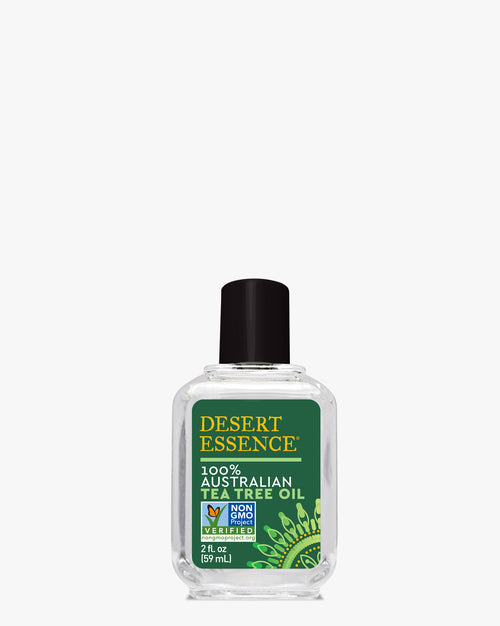
100% Australian Tea Tree Oil 2 fl. oz.
Regular price
$21.99 USD
Regular price
$0.00 USD
Sale price
$21.99 USD
Unit price
per
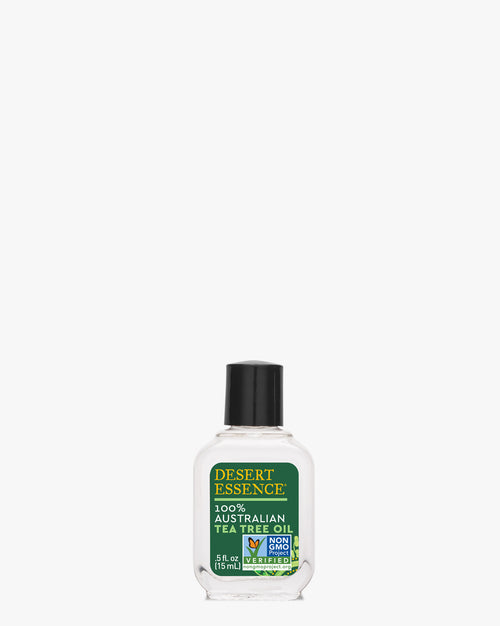
100% Australian Tea Tree Oil, 0.5 Fl Oz
Regular price
$8.99 USD
Regular price
$0.00 USD
Sale price
$8.99 USD
Unit price
per
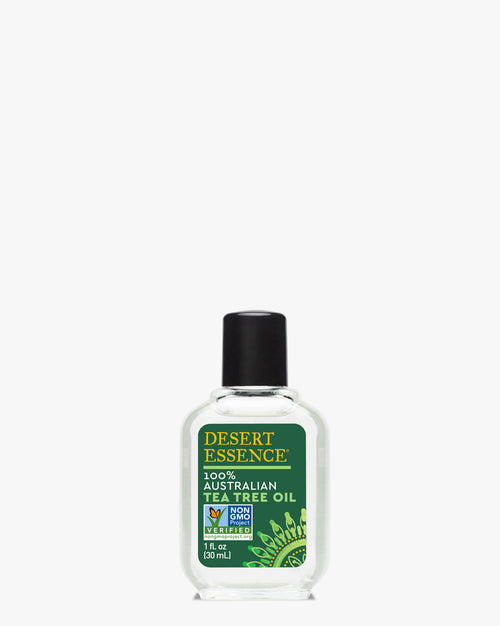
100% Australian Tea Tree Oil, 1 Fl Oz
Regular price
$13.29 USD
Regular price
$0.00 USD
Sale price
$13.29 USD
Unit price
per
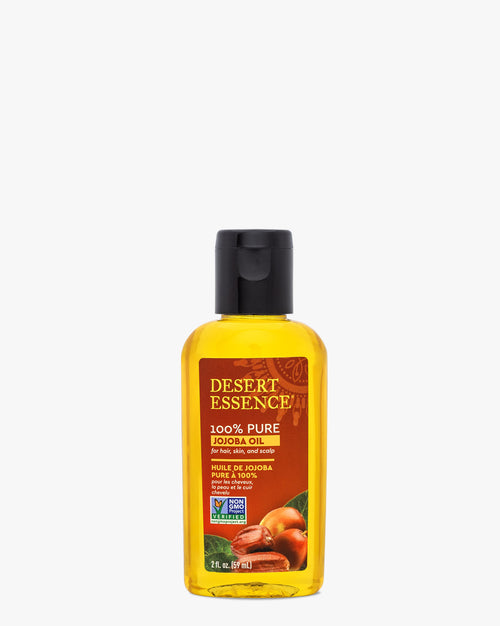
100% Pure Jojoba Oil, 2 Fl Oz
Regular price
$9.99 USD
Regular price
$0.00 USD
Sale price
$9.99 USD
Unit price
per