

Winter blues getting you down pre- or post-holidays?
You’re not alone. Between the darker days, colder temperatures, dips in immunity, and peaks and valleys of the holiday season, even the most upbeat person can feel a bit (or a lot) blah.
The bad news is, most of us can’t just pack up and skip winter.
The good news is, there are many things you can do to care for yourself.
Here, you’ll learn about eight simple and super enjoyable self-care practices to help you combat the winter blues and feel like a
What are the Winter Blues?
The winter blues, which is different from Seasonal Affective Disorder (SAD), refers to feelings of melancholy, low energy, or boredom that occur during the winter months, affecting 10-20% of Americans.[1][2]
Unlike Seasonal Affective Disorder, the winter blues are not a clinical condition and are much milder.
Although causes may vary, research suggests the winter blues may be due to changes in light, which affect the body’s neurotransmitters, such as serotonin, as well as vitamin D levels, which also play a role in mental/emotional well-being.
For many, the peaks and valleys of the holiday season may also trigger temporary feelings of stress, grief, and regret, which may be compounded by colder, darker days.
Again, the winter blues are much milder than SAD, so if you’re feeling symptoms of depression, anxiety, deep sadness, hopelessness, or helplessness seek professional help.
The information in this article is intended to help with the winter blues and is not a substitute for professional advice.
12 Self-Care Practices to Help Beat the Winter Blues
Self-care is one of the most powerful tools for preventing and beating the winter blues.
From spending more time outdoors to switching up your routine, making time for beauty, and taking up a hobby, here are 12 simple self-care practices to help bring more joy and light to your winter.
1. Get Morning Light
For many, the darker days of winter trigger the winter blues, leading to feelings of unhappiness and sluggishness, as well as trouble sleeping.
One of the simplest and cheapest things to try is to get morning light in your eyes every day.
Studies have shown that exposure to natural sunlight, even in winter, can help support mental and emotional well-being and our circadian (sleep) rhythm.[3]
Plus, more sun exposure equals more natural vitamin D, which is also essential for supporting mental and emotional well-being, as well as immunity, hormonal function, and more.[4]
The best amount depends on your location and the weather that day, but aim for at least 10 minutes of unfiltered morning light daily.
If it’s just too cold, even looking out the window can help, but do try to bundle up and get outdoors as much as you can (taking your hot coffee or tea with you can help).
2. Find Reasons to Laugh
Laughter truly is the best medicine when you’re feeling down, as studies have shown it can reduce stress, lift mood, increase endorphins, and help support immunity, heart health, and mental/emotional well-being![5][6]
Whether it’s a funny novel, a television or movie comedy, slapstick cat-blooper YouTube videos, taking in a live comedy show, or talking to a friend who cracks you up, laughter naturally increases our feel-good neurotransmitters and hormones, and costs nothing.
If you’re unsure where to start, a quick internet search of “best feel-good comedies” or “best comedy books” is a great place to start.
3. Do a Skin or Hair Treatment
Dry dull skin, hair, and scalp can be uncomfortable, unattractive, and, frankly, a real downer if you’re already feeling blah.
Here’s what to do to remedy dry skin, hair, and scalp—and it all feels amazing:
- Book a facial and/or body treatment at your favorite local spa
- Prepare a hydrating winter facial mask at home, and relax as it revitalizes your skin
- Schedule a deep conditioning treatment at your next hair appointment
- Try skin flooding, a technique that uses natural plant oils to deeply hydrate the skin for a soft, dewy, supple finish.
- Book a pedicure to smooth out dry, rough, or cracked feet and heels (they’re not just for summer), and add on a manicure to address dry hands and fingers.
- Try Desert Essence Pumpkin Spice Hand Repair Cream and Perfect Pistachio Foot Repair Cream for at-home winter hand and foot care.
- Try hair oiling, using Desert Essence Jojoba Oil or virgin coconut oil to combat split ends and dryness, and leave hair soft, shiny, and manageable.
- For dry scalp, try combining the use of a scalp massaging silicone brush with hair oiling, or try Desert Essence Dry Scalp Line, a quick, luxurious, and effective dry scalp solution that takes less than five minutes.
Whether you choose home care, professional care, or both, these beauty rituals will help ease winter skin, hair, and scalp issues while brightening your appearance, promoting relaxation, and boosting self-esteem.
4. Sleep More
Take your cues from Mother Nature, and treat yourself to earlier nights this winter.
Experts recommend 7½ to 9 hours of sleep per night, but many people benefit from the higher end of that range during the long, cold nights of winter.
Optimal rest is essential for mental/emotional well-being, as well as strong immune function, metabolic function, healthy-looking skin, hormonal health, appetite regulation, cognitive function, and more.[7]
If going to bed early makes you feel like you’re missing out, try going to bed just 10-15 minutes earlier, rather than a whole hour or two, and work up from there.
If you have trouble sleeping, try the earlier recommendation of getting morning sunlight in your eyes to help naturally reset your circadian rhythm.
Creating a relaxing bedtime routine, lowering the temperature, and stopping screen time an hour or two before bed can also help you fall asleep faster.
Related reading: 9 Healthy Bedtime Routine Habits You Should Adopt Tonight
5. Switch up Your Fitness Routine
A change in routine can make all the difference if you’re feeling stuck, bored, or unmotivated.
Since exercise is crucial for mental/emotional health, sleep, and physical well-being, why not try switching up your fitness routine for winter?
A change in fitness routine offers many benefits, including:
- Engaging new muscle groups
- Preventing repetitive injuries
- And helping prevent boredom
Here are some ideas to change things up:
- If you’re used to endurance exercise, try HIIT
- Swap out a weight-training session for power yoga
- Bundle up and take your walk, run, or cycle outside (bonus: you’ll get more of that natural mood-boosting light)
- If Pilates is your jam, try out belly dancing for a fun core workout
Add in a relaxing post-workout salt bath or sauna, and feel the winter blues melt away.
6. Create Something to Look Forward to
Long, dark winter days can all run together, creating the illusion that the grayness and cold will last forever.
One way to break free of this mentality is to create things to look forward to.
It can be something big, like planning a mid-winter or spring vacation to a sunny place, or little things like going on a shopping trip, a girl’s night out, or booking some self-care like a massage, a hike, or a pedicure.
Start small and see what a difference anticipation can make.
7. Take a Social Media Hiatus
The research is in, social media can be incredibly toxic to mental and emotional health in adults, teens, and children, especially if used frequently and/or compulsively.[8-10]
Fortunately, it is entirely within our power to take a break from social media for the sake of our mental health.
It can be hard at first, but the rewards come quickly and include more time, more peace of mind, less anxiety, more joy, better relationships, better sleep, and a more positive perspective on life.
One place to start is by deleting social media apps from your phone, making them harder to access.
If you’re active on social media, consider alerting your friends and followers that you’re taking a break. This adds an accountability factor and manages expectations.
Aim for at least three days as a starting point, and see how you feel. If you’re still anxious to get back on, consider extending the detox for up to a week to allow your brain time to relax and get into a new routine.
Remember, this type of media is designed to be addictive,[11][12] so be gentle with yourself, but be aware that it may take some time and failures to truly break free and create healthier habits.
It may also be helpful to journal your feelings during the break, which can motivate you to create firmer boundaries around future social media use.
8. Avoid the Temptation to Hibernate & Stay Social
A substantial body of evidence shows that a healthy social life helps protect all aspects of physical, mental, and emotional health and promotes longevity.[13-15]
However, if you don’t like the cold weather and/or winter sports, it can be tempting to spend the winter in semi-isolation.
Although there’s nothing wrong with going inward, a lack of in-person socializing can take its toll on your health (and yes, there’s a difference between online and offline relationships) and exacerbate the winter blues.
With this in mind, make it a point to schedule at least one social outing a week, separate from work, such as lunch with a friend, seeing a movie, having someone over for dinner, participating in a book club, or going out for coffee.
Volunteering is another excellent way to get out and mingle while making a difference in your community.
9. Try on a New Look
It may sound shallow or insignificant, but updating your look by changing your hair, getting a makeover, buying a new outfit, or even changing your brow shape can be a real self-esteem booster.
The same goes for updating your home’s interior or exterior, your yard or outdoor space, or your office.
Something as simple as a fresh coat of paint on the walls, adding an accent wall or some new artwork, or updating hardware can bring freshness and help boost your mood.
10. Take up a Cozy Hobby
For centuries, people passed the long, hard winters without technology (or central heating!) by engaging in meaningful work and hobbies.
Handwork, for example, such as knitting, sewing, carving, or crocheting, has been shown to be beneficial for cognitive function and to support various facets of mental/emotional health.[16][17]
Plus, you can do it while you’re cozied up on your sofa listening to your favorite music, podcast, or audiobook.
Here are some other cozy wintertime hobbies to consider trying:
- Journaling
- Painting
- Sculpting
- Singing
- Learning a new instrument, or re-learning an old one
- Baking
- DIY house projects
- Making terrariums
- Making sourdough bread or ferments
- Reading
- Practicing tai chi or Qi gong
- Wood working
- Looming (with a small at-home loom)
- Leather working
- Book making
- Doing jigsaw puzzles
- Collaging
- Making greeting cards
- Making DIY skin and personal care products
- Creating a vision board
- Basket weaving
- Studying philosophy
- Creating photo albums or scrapbooks
- Making herbal tinctures
A quick online search of “winter hobbies” will yield dozens more ideas for people of all ages, talents, and abilities.
Nearly everything can be learned online, or you can sign up for in-person lessons, which offer the benefit of mentorship, equipment use, and making new social connections.
11. Read Uplifting & Inspiring Books & Content
If we become what we think about most, then doomscrolling and binging on depressing, ultra-conspiratorial, or frightening content (including the news!) is a sure way to create or fuel the winter blues.
Instead, focus on consuming inspiring and uplifting books and content, including articles, movies, videos, Podcasts, and shows that speak to your highest personal and professional goals and achievements.
This is a secret of the most successful people, and can easily be applied to your everyday life.
Start by searching “uplifting podcasts about [fill in the blank]”, “motivational books about [fill in the blank]”, or “most inspiring docu-series of 2025”.
Positivity and optimism are contagious, and once you start focusing on these attributes, it’s harder to slip back into pessimistic patterns.
12. Find Ways to Give Back
It’s been said the best way to crawl out of a funk is to do something for someone else (and yes, this is a form of self-care because it supports your well-being).
And it doesn’t have to be dramatic either.
The simple acts of writing thank you notes for holiday gifts, making a donation to your local food bank, or bringing a meal to a sick friend are automatic mood boosters that pay it forward.
Volunteering is another excellent way to give back, and non-profits are typically in need of volunteers after the holiday rush.
Looking for More Self- and Beauty Care Rituals?
At Desert Essence, we specialize in creating clean, plant-derived skin, body, hair, and personal care products with no harsh ingredients.
We also love sharing seasonal self-care practices that harness the power and simplicity of natural ingredients.
For more feel-good wintertime self-care tips, check out the following articles:
- 9 Soothing Winter Skin Tips to Help Avoid Dry Skin & Get a Gorgeous Glow
- 4 Steps for an Easy Winter Lip Care Routine
- Unwind and Recharge with DIY Lavender Bath Salts
- 4 Easy Body Oil Recipes Anyone Can Make at Home
- Scalp Health 101: How To Detox Without Drying
References
Shop Related Products
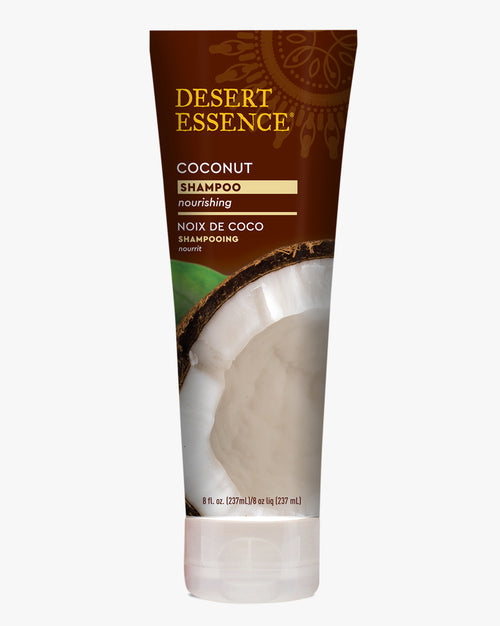
Coconut Shampoo
Regular price
$11.49 USD
Regular price
$0.00 USD
Sale price
$11.49 USD
Unit price
per
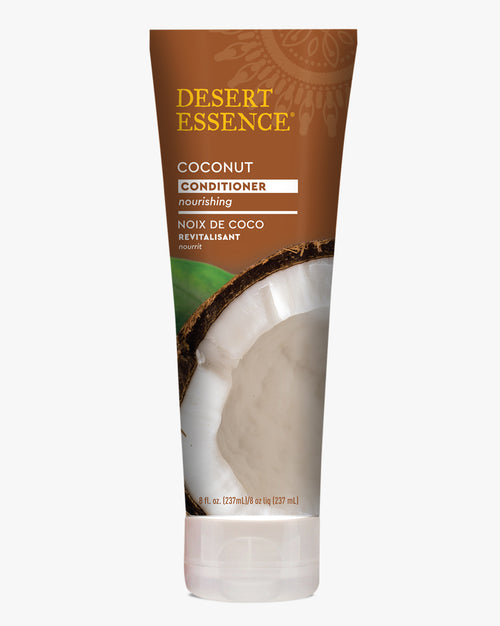
Coconut Conditioner
Regular price
$11.49 USD
Regular price
$0.00 USD
Sale price
$11.49 USD
Unit price
per
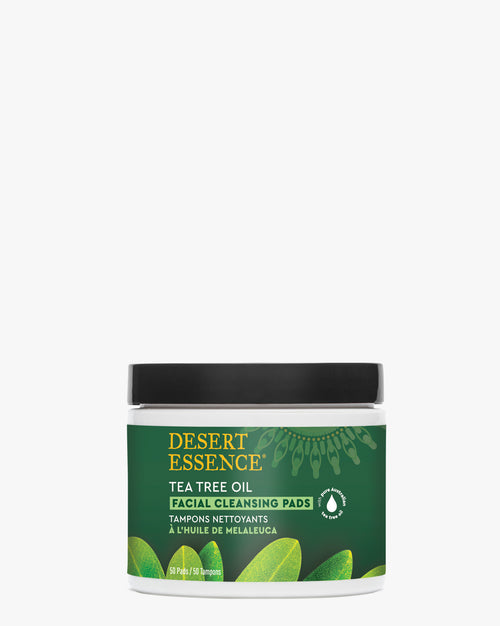
Tea Tree Oil Facial Cleansing Pads
Regular price
$9.29 USD
Regular price
$0.00 USD
Sale price
$9.29 USD
Unit price
per
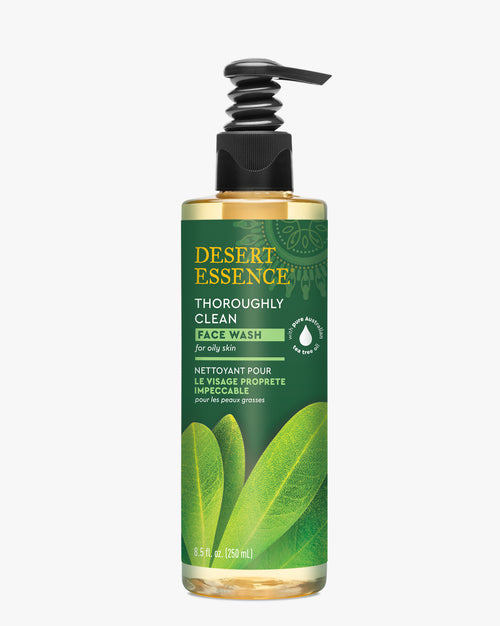
Thoroughly Clean Tea Tree Oil Face Wash
Regular price
$11.49 USD
Regular price
$0.00 USD
Sale price
$11.49 USD
Unit price
per