

Once ubiquitous in shampoos, cleansers, and detergents, sodium lauryl sulfate, also known as SLS, is now widely avoided due to concerns about health and environmental safety.
This has led to a slew of SLS-free shampoos, leading to the natural question: Is sodium lauryl sulfate bad for your hair?
Although claims about its toxicity appear overblown, SLS is considered a skin irritant and can be too harsh for some hair and skin types.
Thinking of going SLS-free?
Come along as we explore the benefits and drawbacks of sodium lauryl sulfate and the best SLS alternatives for a healthy scalp and gorgeous hair.
What is Sodium Lauryl Sulfate?
Sodium Lauryl Sulfate or SLS is a type of anionic surfactant used in shampoos, cleansers, and detergents.[1][2]
Surfactants can be natural, plant-derived, or synthetic (man-made) and are used for various purposes, including to create foam, emulsify, thicken, and reduce the surface tension of water, allowing it to remove dirt and oil.
SLS is derived from plant sources, like coconuts or palm as well as synthetic/lab-made sources.
How is Sodium Lauryl Sulfate Used in Hair and Skincare?
SLS is used primarily in shampoos and facial or body cleansers as a foaming agent to help break up and remove dirt, sebum, and other impurities.
Although its use has become less prominent, SLS is still a frequently used ingredient in skin and haircare, including:
- Shampoos
- Conditioners
- Hair dyes
- Shaving creams
- Facial Cleansers
- Soaps
- Body washes
- Bath products
- Baby products
- Makeup removers
- Liquid hand soap
It’s also used in toothpastes, and various household detergents and cleaning products.
Is Sodium Lauryl Sulfate Safe?
Despite the bad press, sodium lauryl sulfate is considered safe for use in skin care, hair care, and cleaning products and is even approved as a food additive in very small amounts.[1-4]
So, why are people so worried about it? Several reasons.
For starters, many years ago, rumors surfaced that SLS was a carcinogen (a cancer-causing ingredient). Although scientific evidence does not support this, it caused concern among many consumers.
Many people also avoid SLS due to issues with irritation and dryness to skin and hair, which can happen due to the drying nature of sulfate-based surfactants.
Sodium lauryl sulfate is also comedogenic, meaning it can clog pores and lead to breakouts.[5]
Regarding environmental safety, the general consensus is that SLS is biodegradable and not an environmental threat.
However, a recent scientific paper published in the journal Emerging Contaminants suggests there is not enough data to suggest SLS is environmentally friendly, and thus the precautionary principle should be applied until more studies are conducted.[6]
Ultimately, most authorities agree that SLS is safe to use when formulated in the right concentrations for skin, hair, and cleaning products.
However, it can be irritating and too drying for some skin and hair types.
The Best Sodium Lauryl Sulfate Alternatives
If you’re still on the fence about sodium lauryl sulfate and/or find it irritating, you have a lot of options.
Some of the gentlest, plant-derived surfactant SLS-alternatives include,
- Decylglucoside: A naturally-derived, ultra-gentle surfactant from coconuts or corn used frequently in products for sensitive skin, including baby products
- Sodium Cocoglucoside: A naturally-derived ultra-gentle surfactant from coconuts
- Pure castile soap: A pure and natural anionic surfactant soap primarily sourced from olive oil
These SLS alternatives create excellent lather, are biodegradable, and cleanse beautifully without irritation or over-drying.
How to Avoid SLS in Hair & Skincare
The anti-sodium-lauryl-sulfate movement has made it easy to find SLS-free products, most of which are labeled “SLS-free” or “sulfate-free.”
If you’re unsure, just check the label for “sodium lauryl sulfate” or “SLS.”
Note that some companies have replaced SLS with SLES or sodium laureth sulfate, which is seen as a safer alternative.
However, there are concerns about ethoxylated contaminants in SLES, like 1-4 dioxane, a carcinogen, so in this case, SLS or other gentler surfactants may be the better choice.[3]
Most clean, natural, and plant-derived hair and skincare products do not contain SLS, but some do, so be sure to double-check labels.
Why Desert Essence Products are SLS-Free
Desert Essence remains committed to producing clean, botanically-based, SLS- and sulfate-free, hair, body, and oral care products.
Why do we bother when SLS appears mostly safe?
It’s simple. In addition to clean ingredients, we also insist on the safest and gentlest ingredients, which means avoiding those that could irritate or dry out the skin, scalp, and hair.
Plus, until more research is available on the environmental impacts of sodium laurel sulfate, we also like to apply the precautionary principle.
Instead, we rely on natural, plant-derived, and sustainably-sourced surfactants like decyl glucoside, sodium cocoglucoside, and pure castile soap in our hair care, skincare, body care, and oral care products.
We also do not use sodium laureth sulfate (SLES) in our products due to concerns about 1-4 dioxane contamination.
Shop Desert Essence skincare, haircare, body care, oral care, and personal care, and experience the gentle difference SLS-free, plant-derived, botanically-based, cruelty-free can make to your skin and hair.
Curious about the rest of our ingredients?
We have invested substantial effort into sourcing effective, sustainable, plant-derived, and safe ingredients.
For more information, check out our FAQs and Ingredients pages.
Sodium Lauryl Sulfate FAQs
We hope this article clarifies why many companies and people avoid SLS and how it can be damaging to hair and skin.
For more information, let’s cover some FAQs.
Q: Is sodium lauryl sulfate toxic?
Sodium lauryl sulfate is not considered toxic to people or the environment when used in recommended amounts in skincare, haircare, body care, and foods.
However, more research is needed to truly understand its cumulative environmental impacts.
Q: What are the side effects of sodium lauryl sulfate?
Although generally recognized as safe, the most common side effects of SLS are skin irritation, eye irritation, skin dryness, and dry hair.[3]
This can be avoided by using formulas with low levels of SLS or avoiding SLS and other sulfates.
Q: Is sodium lauryl sulfate a carcinogen (cancer-causing)?
No. Unfortunately, people confuse SLS with other sulfates, like sodium laureth sulfate, which may be contaminated with carcinogens, like 1-4 dioxane.
However, studies have shown SLS is not carcinogenic nor is it subject to 1-4 dioxane contamination in processing.
Q: How can I avoid SLS?
Look for sulfate-free and SLS-free products, read labels, and follow the advice above to find comparable alternatives.
References
Shop Related Products
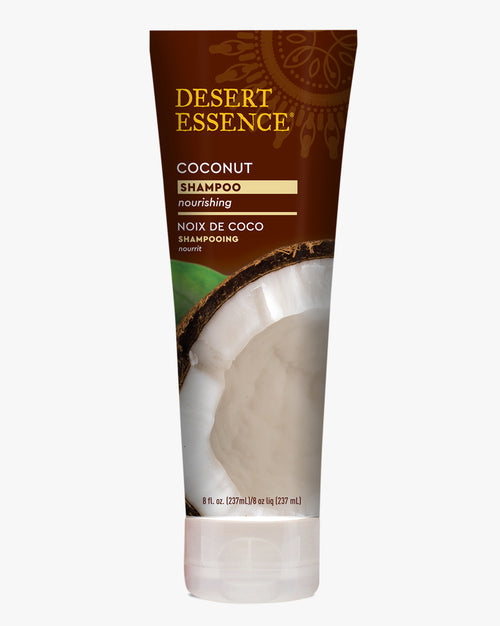
Coconut Shampoo
Regular price
$11.49 USD
Regular price
$0.00 USD
Sale price
$11.49 USD
Unit price
per
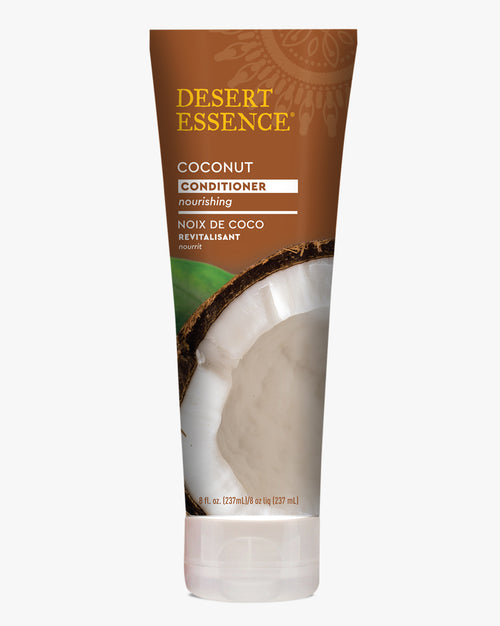
Coconut Conditioner
Regular price
$11.49 USD
Regular price
$0.00 USD
Sale price
$11.49 USD
Unit price
per
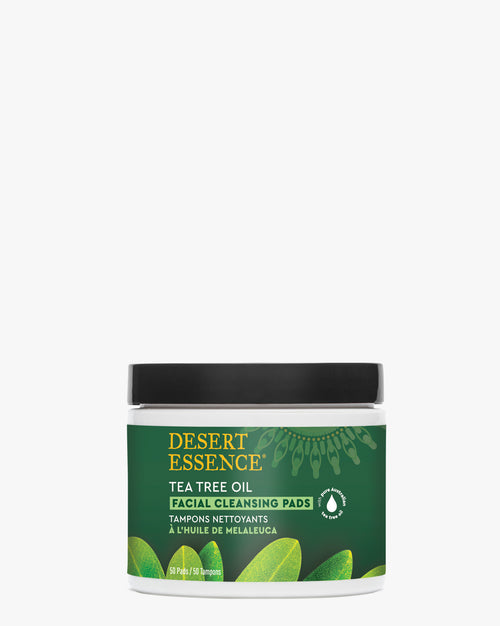
Tea Tree Oil Facial Cleansing Pads
Regular price
$9.29 USD
Regular price
$0.00 USD
Sale price
$9.29 USD
Unit price
per
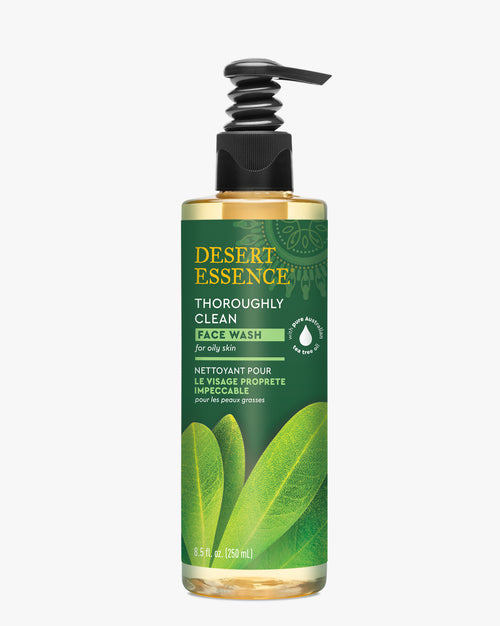
Thoroughly Clean Tea Tree Oil Face Wash
Regular price
$11.49 USD
Regular price
$0.00 USD
Sale price
$11.49 USD
Unit price
per