

A new year can usher in great plans and expectations for rehauling your lifestyle to create a healthier, happier, more balanced you.
Yet, health-related New Year’s resolutions can be imbalanced, especially if they focus on one lofty goal, such as weight loss, going to bed at 8 PM every night, or never eating a bite of sugar again.
What if, instead of or in addition to your usual health-focused resolutions, you focused on building healthy hobbies, things you enjoy doing that create compounded health benefits all year long?
Wait—can hobbies actually make you healthier?
Absolutely, and the enjoyment factor makes them much easier to stick with for the long term.
What Are Healthy Hobbies?
Although studies suggest all types of hobbies can help with various aspects of health (more on this to come), healthy hobbies are specific to activities or practices that:
- Promote relaxation
- Reduce stress
- Enhance your sense of gratitude
- Boost self-confidence
- Encourage presence and mindfulness
- Support physical movement
- Engage your mind
- Foster connection—to yourself, others, or nature
- Align with your values and lifestyle
- Make you feel happy and uplifted
- Encourage other healthy lifestyle practices and choices
In other words, if you’ve tried taking up a hobby that you hated because it made you feel stressed out or inadequate (even if others enjoy it), that’s the opposite of a healthy hobby.
Likewise, if your hobbies are causing you to make poor health choices, like drinking excessively, staying up too late, self-isolating, or eating junk food, those are not considered healthy hobbies.
The great thing about healthy hobbies is that they don’t have to require oodles of time or expertise, as small, consistent practices typically yield the greatest benefits.
The Health Benefits of Hobbies
Often, people recommend others “get a hobby” if they are bored, between jobs, irritable, retired, in the midst of a life change, like a divorce, or engaged in an unproductive or self-destructive practice.
However, research shows that even productive, busy, employed, young, active, and social people can benefit significantly from hobbies, particularly healthy ones.
Some benefits of hobbies, according to research, include:[1-5]
- Helping individuals manage everyday stress
- Encouraging relaxation and a sense of calm
- Supporting emotional well-being
- Boosting self-confidence and one’s sense of self-worth
- Improving feelings of happiness and life satisfaction
- Many hobbies encourage regular movement, providing a myriad of health benefits
- Contributing to a sense of physical well-being
- Providing enjoyment, purpose, and balance in daily life
- Providing a sense of meaning and connection
- helping establish calming routines that support better rest
Very few health habits can produce as many potential benefits as adopting a healthy hobby.
Here are some to sink your teeth into this new year.
10 Healthy Hobbies to Build Physical, Mental, & Emotional Resilience
When shopping for a new hobby, ask yourself the following questions:
- What do you like to do already, and which hobbies may complement that?
- How much time do you have to devote?
- Do you want to learn something new, revitalize an old skill, or stick with something you know?
- What hobbies can provide multiple benefits or help you kill two birds with one stone (so to speak)?
- Are you looking for a practical hobby or one that’s pure fun?
- What’s your budget?
- Do you want to practice your hobby alone or with a friend, spouse, or partner?
Keep these criteria in mind as you browse these 10 healthy hobbies to help you build physical, mental, and emotional resilience.
1. Handwork
Handwork, such as knitting, crocheting, needle felting, and sewing, can be an excellent way to relax and explore your creativity.
And with so many free tutorials and templates available, anyone with a bit of time and patience can learn and master these techniques.
Plus, the investment is typically low, so it’s a low-risk hobby you can figure out as you go along.
You can also make this a social affair by looking up a handwork meetup group or taking group lessons.
Research suggests handwork is especially good for supporting various aspects of cognitive function.[6][7]
2. Hiking or Forest Bathing
Spending time out in the woods is an excellent way to get your exercise, foster social connections (because it’s smart to hike with a friend), learn about the natural world, and decompress.
Research on forest bathing, spending time in the woods, has also shown that spending time around trees has been associated with relaxation, stress reduction, and a greater sense of well-being.[8]
All you need to start hiking is a sturdy pair of running shoes, hiking shoes, or boots, and trekking poles can help with balance.
If you’re new to hiking, plan to start slow and work your way up gradually, and always start with easy trails.
If you live in the city, find a natural area for hiking, like a botanical garden or arboretum, or plan to go a few times a month on the weekends.
3. Create a Tea Ritual
For centuries, people have (and still do) rely on tea breaks to help them clear their heads, destress, and refocus.
Tea rituals can range from elaborate affairs to simple, five- or ten-minute rituals done in your kitchen or workplace break room.
The main point is to carve out at least five to ten minutes, select a tea you love, take a few mindful moments to prepare it, and sit down as you fully take in the aroma, flavor, temperature, and feel of the whole experience.
Studies suggest drinking tea is a legit way to reduce stress.[9]
Plus, various types of tea, from green and black to herbal varieties, are enjoyed for their naturally occurring plant compounds and antioxidants, and are often associated with moments of relaxation, gentle focus, and overall well-being.[10]
And yes, you can (and should) include a healthy snack with your tea.
4. Master the Art of Healthy Cooking
Cooking is a necessity for most people, but it can also be a hobby, especially if you enjoy it.
The key is to focus on creating healthy recipes most of the time, rather than becoming an expert pastry chef.
Your diet and health goals should inform your cooking hobby focus, but some general ideas include:
- Gluten-free baking
- Refined sugar-free recipes
- Vegan and plant-based recipes
- Soups and stews
- Batch cooking
- Grain-free recipes
- Healthy snacks and energy bars
- Stocks and broths
- Healthy sauces and dressings
- Hiding vegetables in classic recipes
- Transforming traditional recipes into healthier versions, based on your nutrition goals
The best part? You get to enjoy your experiments and likely save time on meal prep during the week.
5. Make DIY Face Masks
If you enjoy using clean skin care products, you’ll likely enjoy making DIY face masks at home.
All you need for this is simple ingredients like yogurt, honey, enzyme-rich fruits like pineapple or papaya, avocado, plant oils like jojoba or olive oil, clays or charcoal, and oats.
Combine a few ingredients, whizz or mash them up, and you’ve got a spa-quality face mask you can enjoy as you relax in the evening or on Saturday morning!
For more inspiration, check out: 3 Natural Face Mask Recipes for Hydrated Winter Skin
6. Have Fun with an Art Project
Doing art projects isn’t just for kids; studies suggest creative activities are often enjoyed for their calming, expressive nature and the sense of accomplishment they can bring.[11][12]
It doesn’t have to be complicated. Even an adult coloring book can do wonders for relieving tension and fostering creativity.
Some other ideas include:
- Collaging with whatever you find—magazine cut-outs, fabric scraps, pressed flowers, etc.
- Watercolor painting
- Making greeting cards
- Tracing
- Sketching
- Drawing with colored pencils
- Drawing with pastels
There are many free art tutorials available online and at local museums, folk art centers, colleges, and art supply stores.
7. Try Something Musical
Although many children receive music lessons and instruction, few of us carry those skills and talents into adulthood.
However, multiple studies have shown that engaging with music, whether playing or listening, provides a myriad of physical, mental, and emotional health benefits.[13-15]
If you played an instrument as a child, why not try picking it up again?
You can use free or paid online tutorials to refresh your skills or try in-person lessons for a more individualized experience.
If you’re brand new to musical instruments, start by listening to different types of music to see what your ear gravitates toward and give it a go! And remember, singing also counts as music.
If committing to music or voice lessons seems like too much, commit to listening to different types of music while in the car, before bed, or while you’re cooking dinner, which also provides several health benefits, including enhancing attention and focus.[15]
8. Read, or Listen To Books
Several studies have confirmed that people aren’t reading as much as they used to, especially books.
If most of your reading is done while skimming headlines on your phone, it may do you a world of good to put down the screen and pick up a real book.
Research shows that reading supports cognitive function and reduces stress.[16]
And if your ears are free more often than your hands, consider listening to audiobooks, which can be just as relaxing (or more so for some people) as reading.
There is one caveat: try to choose books that uplift, inspire, and make you feel good, versus those that create negative feelings or anxiety.
Better yet, consider reading some books on health and wellness.
Try to set aside 15-30 minutes a day to read, and see how it enriches your life.
9. Try Gardening
Gardening is one of those hobbies that provides substantial physical, mental, and emotional health benefits.[17][18][19]
For starters, it gets you outside in nature, which provides multiple stress-relieving and longevity benefits for the brain and body.
Gardening also encouraged a hands-on connection with the natural environment.
Gardening requires movement, more than most people realize (think squats, isometric holds, and core work from digging).
Finally, you get to enjoy the health and nutrition benefits of what you grow.
These are just a few of the many studied benefits of gardening.
No land or space to garden?
You have options, including container gardening, joining a community garden, or volunteering at a local farm, botanical garden, or urban farm.
10. Make Your Own Skin and Bodycare Products
If you’re into clean beauty and enjoy mixing and formulating, you’d probably love creating your own skin and body care products.
Although it can seem intimidating, making DIY products doesn’t have to be complicated, especially if you start simple.
Some ideas to try include:
- Making your own non-toxic deodorant with baking soda, cornstarch, and coconut oil
- DIY facial oils using non-greasy plant-derived oils, like jojoba, argan, and rosehip
- Making your own body wash using liquid castile soap plus your favorite essential oils
- DIY body care or massage oils, using a simple base, like jojoba, plus other oils for your skin type
- Foot soaks, like this one with tea tree oil and epsom salts
- Making a rich hand balm with plant oils, beeswax, shea butter, and coconut oil
- DIY salt or sugar scrubs for body or feet
- Homemade facial masks (as mentioned previously)
- DIY body lotions and body butters, lotions can get complicated as they require preservatives, but whipped body butters are pretty easy to do
- Homemade bath salts
- Dry shampoo
- Lip balms
- Hair oil
Once you get started, making DIY skincare products can quickly become a fun and rewarding hobby.
Click the links above for more inspiration and recipes.
Looking for More Self-Care Ideas?
Healthy hobbies are one of many ways to take care of yourself and create more vibrant, sustainable health.
For more self-care ideas, check out the following articles:
- 5 Ways to Practice Self-Love Throughout the Day
- Prioritize Self-Care With These Tips
- 12 Self-Care Practices to Help Combat the Winter Blues
- 7 Fall Self-Care Must-Haves
For self-care tools, check out Desert Essence's plant-derived, sustainably sourced face and body oils, skincare, body care, oral care, and personal care products.
References


Shop Related Products
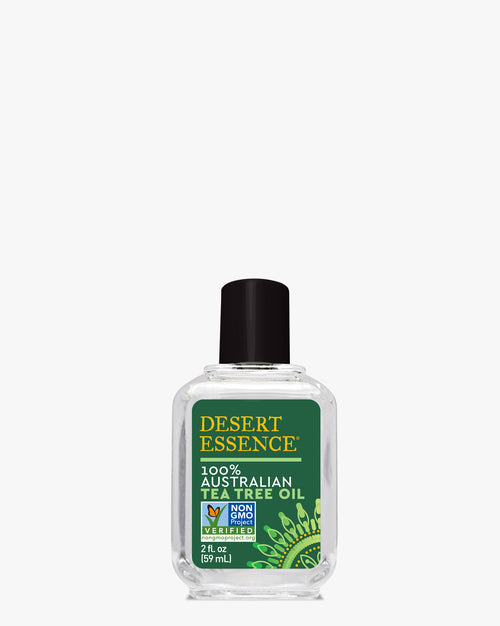
100% Australian Tea Tree Oil 2 fl. oz.
Regular price
$21.99 USD
Regular price
$0.00 USD
Sale price
$21.99 USD
Unit price
per
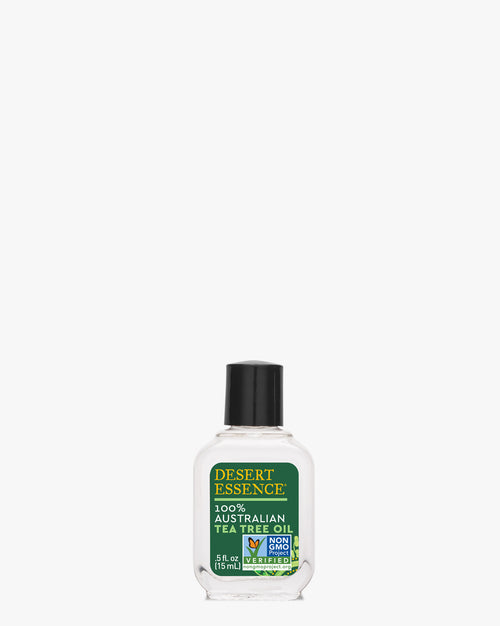
100% Australian Tea Tree Oil, 0.5 Fl Oz
Regular price
$8.99 USD
Regular price
$0.00 USD
Sale price
$8.99 USD
Unit price
per
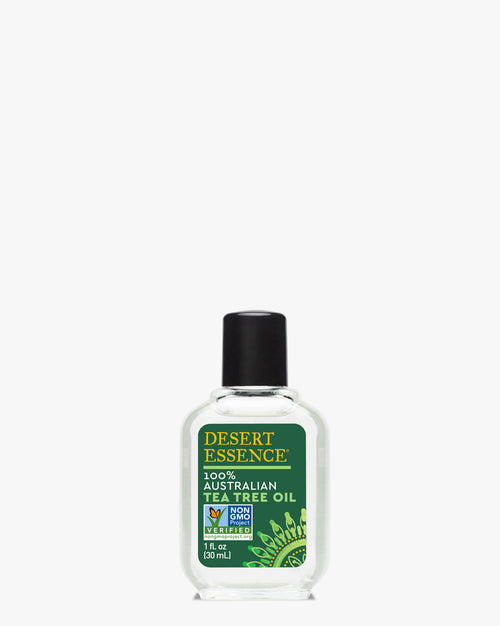
100% Australian Tea Tree Oil, 1 Fl Oz
Regular price
$13.29 USD
Regular price
$0.00 USD
Sale price
$13.29 USD
Unit price
per
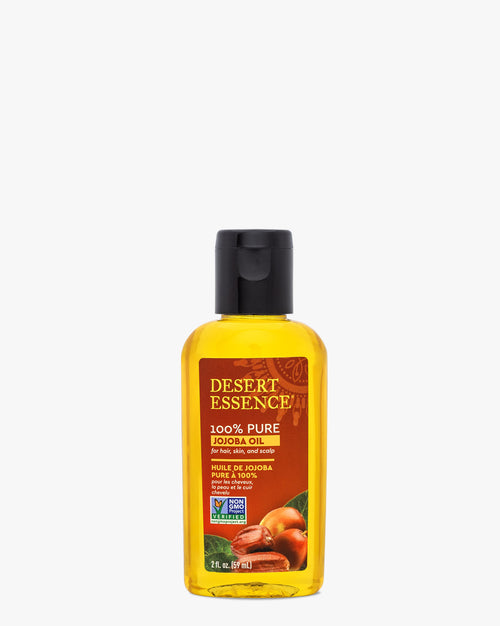
100% Pure Jojoba Oil, 2 Fl Oz
Regular price
$9.99 USD
Regular price
$0.00 USD
Sale price
$9.99 USD
Unit price
per